

 Access Customer portal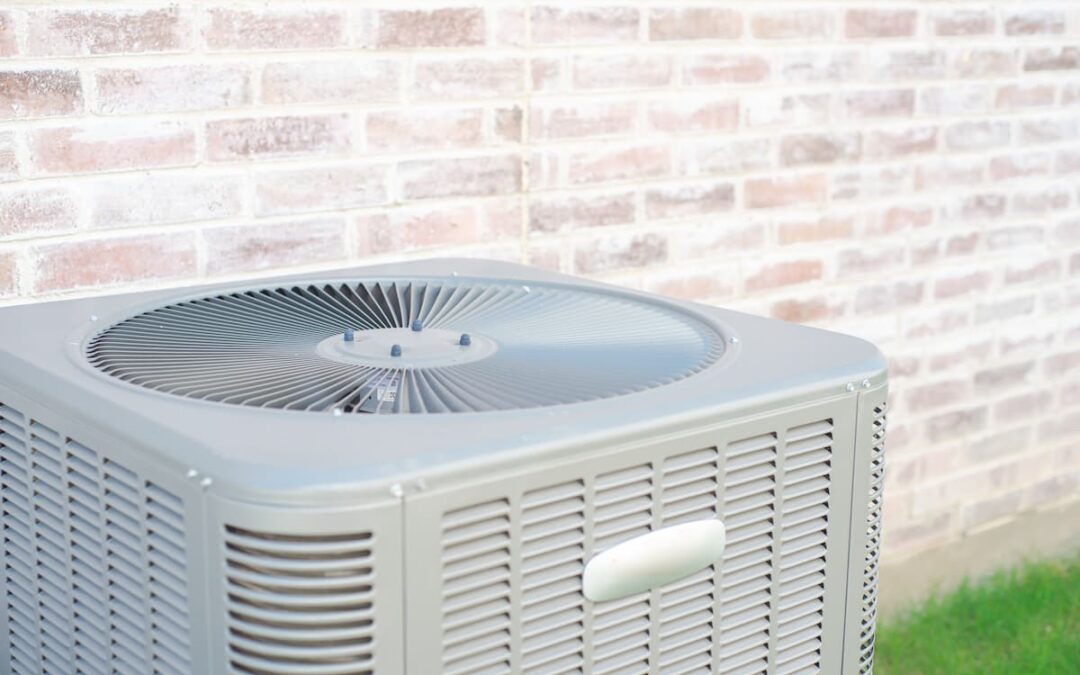
Key Takeaways
- Clear loose debris away from the outdoor condenser.
- Shut off the AC at the thermostat and breaker before severe weather arrives.
- Inspect the system after the storm before restarting it.
Florida hurricanes can expose outdoor HVAC equipment to high winds, flying debris, power surges, and flooding. Preparing early can reduce HVAC storm damage and help you restart your system safely.
Prepare Your AC Before the Storm
Clear branches, patio items, and other loose objects from around the condenser. Make sure the unit is firmly secured to its pad. Surge protection can also help protect electrical components, including the compressor.
Before severe conditions arrive, turn the system off at the thermostat and breaker. If floodwater reaches the condenser, leave the system off until a professional inspects it.
Check Your AC After the Storm
Once conditions are safe, check for debris, water exposure, shifted equipment, damaged wiring, or other visible problems. Tri County Air Conditioning & Heating, Inc. can inspect the system before normal operation resumes. You can also schedule a pre season system check before major storms arrive.
Frequently Asked Questions
Should I cover my AC unit before a hurricane?
Avoid tightly wrapping the unit with a tarp. Focus on securing it and clearing nearby debris.
Do I need to turn off my AC during a storm?
Yes. Turning it off at the thermostat and breaker can help reduce electrical damage.
What should I check before turning my AC back on?
Look for debris, water exposure, movement, damaged wiring, or unusual damage.
Does homeowners insurance cover storm damage to an AC unit?
It may cover damage from a covered hurricane or wind event, depending on your policy and deductible. Flood damage usually requires separate flood insurance.
Image Credit: Trong Nguyen | Shutterstock